How to Choose a Floor Cleaning Robot: Scrubber-Dryer, Sweeper, Vacuum or 4-in-1?
Scrubber-dryer, sweeper, vacuum, 4-in-1 or walk-behind? A plain comparison of floor cleaning machine types, with real specs side by side.
The right floor cleaning robot depends on what is on your floor and how much of it there is. Scrubber-dryers wash and dry hard floors, sweepers collect dry debris, robotic vacuums handle carpet, and 4-in-1 robots combine several modes for mixed spaces. For small areas and detail work, walk-behind scrubbers and backpack vacuums are often the better tool. This guide explains each type and compares real models side by side.
What does a robotic scrubber-dryer do?
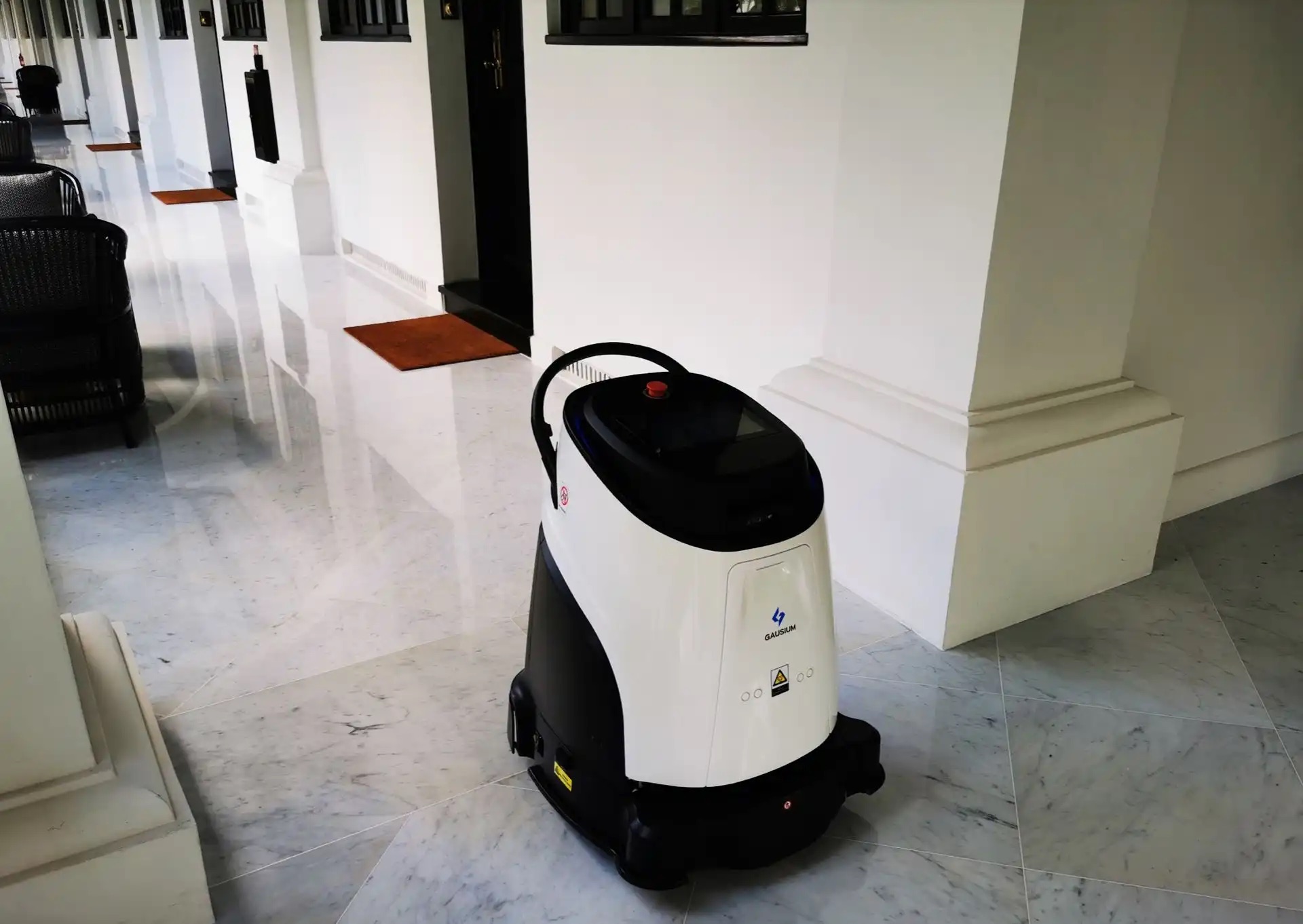
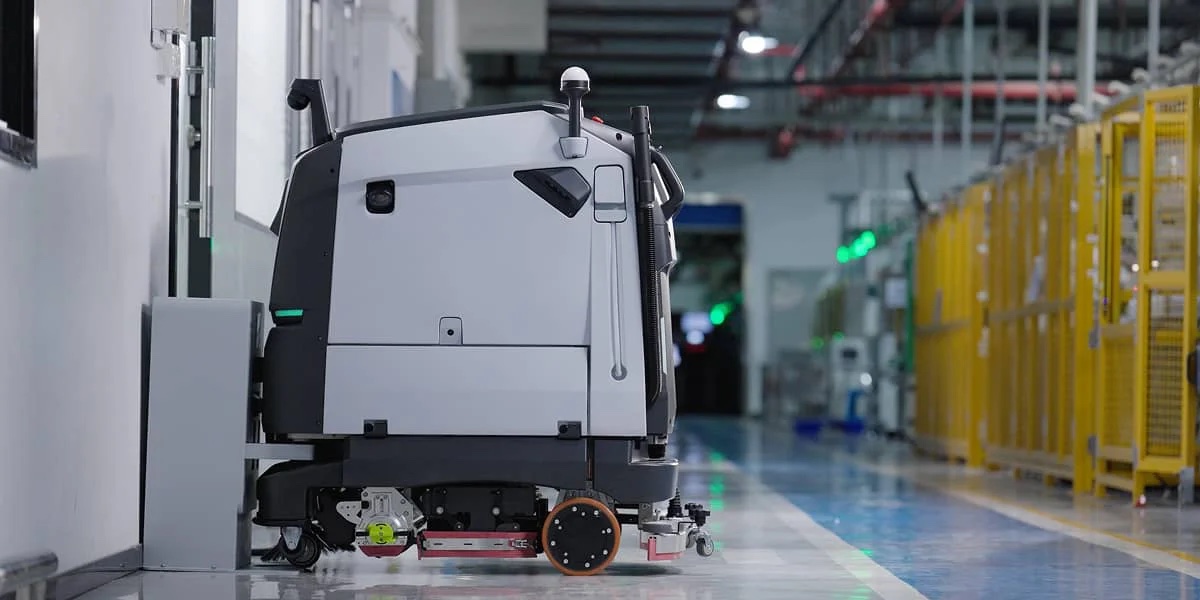
A scrubber-dryer puts down water and detergent, scrubs the floor with brushes or pads, then vacuums the dirty water back up with a squeegee so the floor is left dry. It is the standard choice for hard floors such as vinyl, ceramic, sealed concrete, epoxy and stone in malls, hospitals, airports and warehouses.
Robotic scrubber-dryers range from mid-size machines like the Gausium Mira and Gausium Omnie to large units like the PUDU BG1 Series, Gausium Marvel and Gausium Scrubber 75. Bigger machines carry more water, so they stop less often to refill and drain.
When is a robotic sweeper the right choice?
Sweepers collect dry debris such as dust, paper, packaging and leaves, without water. They suit warehouses, factories, loading areas and car parks where the main problem is loose debris rather than spills. The PUDU MT1 and PUDU MT1 Max each have a 35 L trash bin, and the Gausium Beetle has a 45 L trash bin. The MT1 Max is designed for outdoor and semi-outdoor spaces.
What about carpet?
Scrubbers do not clean carpet. For carpeted offices, hotels and conference centres, use a robotic vacuum such as the Gausium Vacuum 40, which has three vacuuming modes for different pile heights, or the PUDU MT1 Vac for larger commercial and industrial spaces.
Why choose a 4-in-1 cleaning robot?
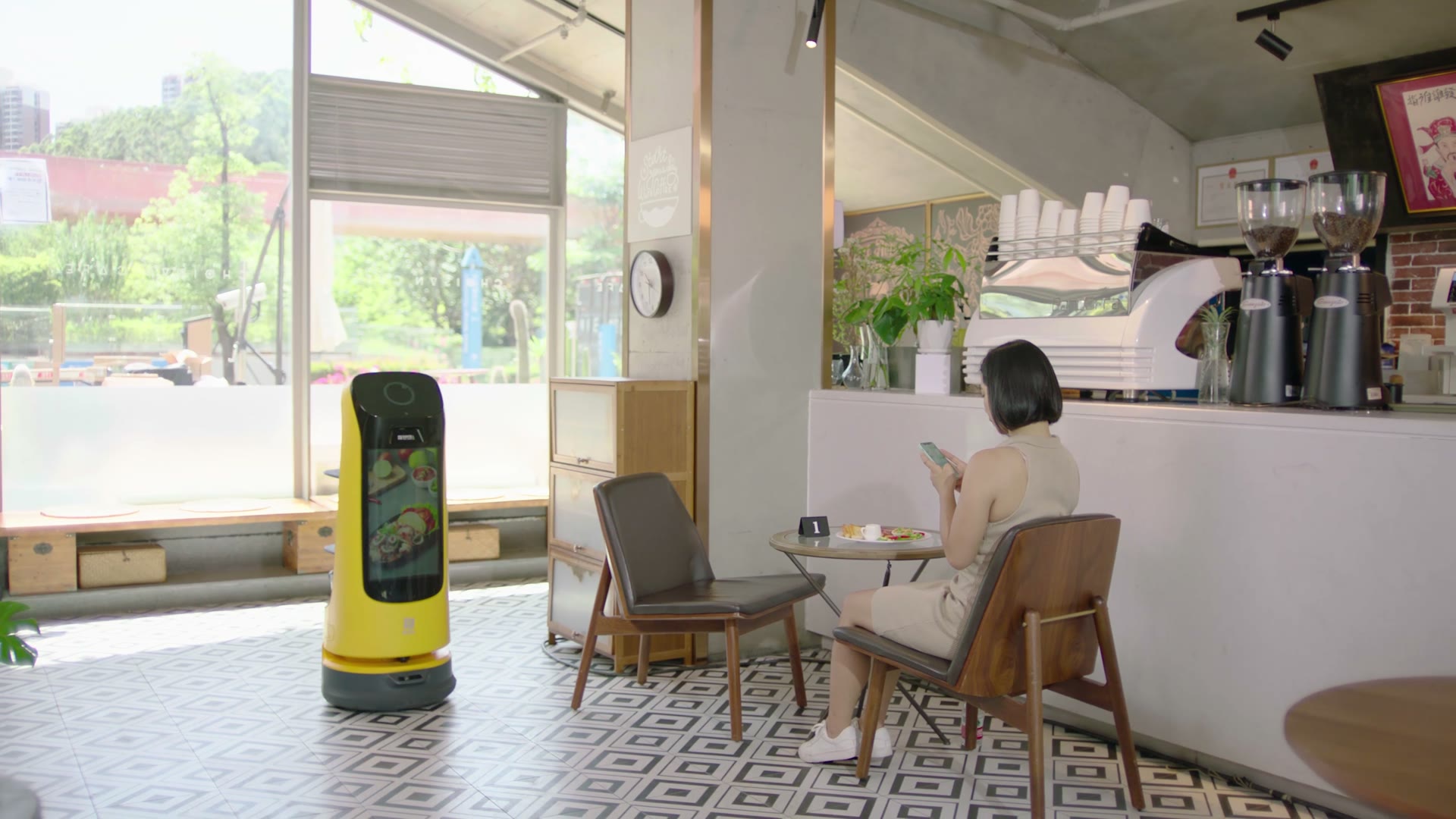
Many buildings mix carpet and hard floors on the same level. A 4-in-1 robot can sweep, vacuum, scrub and dust-mop, switching modes by area. The Gausium Phantas, PUDU CC1 and PUDU CC1 Pro are compact 4-in-1 robots suited to offices, hotels, schools and clinics, where one machine needs to handle several floor types.
Where do walk-behind and backpack machines fit?
Robots are best on large, repeatable routes. Small cafés, washrooms, stairs, seating areas and cluttered back-of-house spaces are often faster to clean by hand with the right tool. The SPARC A1 and PUDU SH1 are cordless walk-behind scrubber-dryers that scrub and dry in one pass. The SPARC Ranger One is a cordless backpack dry vacuum for stairs, fixed seating and transport interiors, and it shares its battery platform with the A1.
Most larger sites end up with a mix: robots on the big routes and a walk-behind or backpack unit for everything else.
How do the main options compare?
The table below uses figures published on each product page. Manufacturers measure these differently, and theoretical maximums are higher than what you will see in daily use, so treat them as a starting point for comparison.
| Model | Type | Cleaning width | Productivity (published) | Tanks / bin | Run-time (published) |
|---|---|---|---|---|---|
| Gausium Phantas | 4-in-1 robot | 465 mm vacuum/sweep; 330 mm scrub | 350–700 m²/h practical | 11.5 L clean / 10.5 L waste | Scrubbing 4.5 h; sweeping 6 h |
| PUDU CC1 Pro | 4-in-1 robot | 500 mm (with side brush) | 700–1,000 m²/h all-covered | 15 L clean / 15 L dirty | Scrubbing 5 h |
| PUDU BG1 Series | Sweeper-scrubber robot | 550 mm (708 mm with side brushes) | Up to 2,000 m²/h covered mode | 75 L clean / 60 L waste | Up to 7.5 h |
| Gausium Scrubber 75 | Large scrubber robot | 750 mm | Up to 3,000 m²/h | 75 L clean / 50 L recovered | About 4–6 h |
| PUDU MT1 | Sweeper robot | 70 cm | Up to 1,800 m²/h standard mode | 35 L trash bin | 4–8 h |
| Gausium Vacuum 40 | Vacuum robot | 400 mm (720 mm with side brushes) | Up to 1,200 m²/h | 12 L dust bag | About 3–18 h |
| SPARC A1 | Walk-behind scrubber | 40 cm | 800–1,200 m²/h | 4 L solution / 4 L recovery | 75 min per battery (Eco) |
| PUDU SH1 | Walk-behind scrubber | 44 cm | 1,100–1,600 m²/h | 4 L solution / 4 L recovery | 70 min standard; 100 min ECO |
| SPARC Ranger One | Backpack dry vacuum | – | – | 6 L dust capacity | Up to 75 min (Eco) |
How many robots does a building need?
There is no fixed ratio. The answer comes from the area each robot can realistically cover in the time you have, the number of separate zones, and whether the robot can move between them on its own. A single large open floor may need one wide scrubber robot. A building with many small floors may be better served by a compact robot that rides the elevator, or by one robot per cluster of floors. Overlap matters too: if a site cannot go a day without cleaning, plan for how the area will be covered while a robot is charging or being serviced.
What about seasonal conditions in Canada?
In much of Canada, entrance floors see very different conditions across the year: wet slush and grit in winter, dust and tracked-in dirt in drier months. When you plan cleaning zones, treat lobbies and entrances separately from interior floors. They may need a different cleaning mode, more frequent passes, or a walk-behind scrubber on hand for peak days. Discuss these areas during the site assessment so the schedule and equipment reflect how your building is actually used through the seasons.
A typical mixed setup
A common pattern in larger buildings looks like this:
- A large scrubber or sweeper-scrubber robot for concourses, warehouses or open retail floors.
- A compact 4-in-1 robot for offices, corridors and carpeted areas.
- A robotic vacuum where carpet dominates.
- A walk-behind scrubber and a backpack vacuum for washrooms, stairs, seating and small rooms.
Each machine does the work it is best at, and staff focus on the tasks that need a person.
What questions should you answer before choosing?
- What is on the floor? Spills and grime need scrubbing; dust and debris need sweeping; carpet needs vacuuming.
- How big is the area per shift? Large open floors justify wide robots with big tanks. Smaller zones may only need a compact robot or a walk-behind.
- How narrow are the tightest passages? Check each robot's minimum pass width against your doorways and aisles.
- Will it change floors? If so, confirm elevator integration. Robots such as the CC1 Pro and BG1 support optional elevator and e-gate control.
- Who handles water and charging? Docking and workstations that refill, drain and charge automatically reduce daily handling for scrubber robots.
- When will it clean? Daytime cleaning around people favours quiet modes and strong obstacle sensing.
Getting help choosing
If you are comparing machines for a specific building, SPARC can assess your floors and layout and recommend a mix of robots and manual equipment. We are the official Canadian distributor for Gausium and Pudu, with local teams across Canada. Browse the full cleaning range, read our Toronto buyer's guide, or talk to our team.