Robotics as a Facility Management Solution: A Practical Guide for Canadian Buildings
Where cleaning, delivery and transport robots fit into facility management, how to build the business case, and how to run a pilot that works.
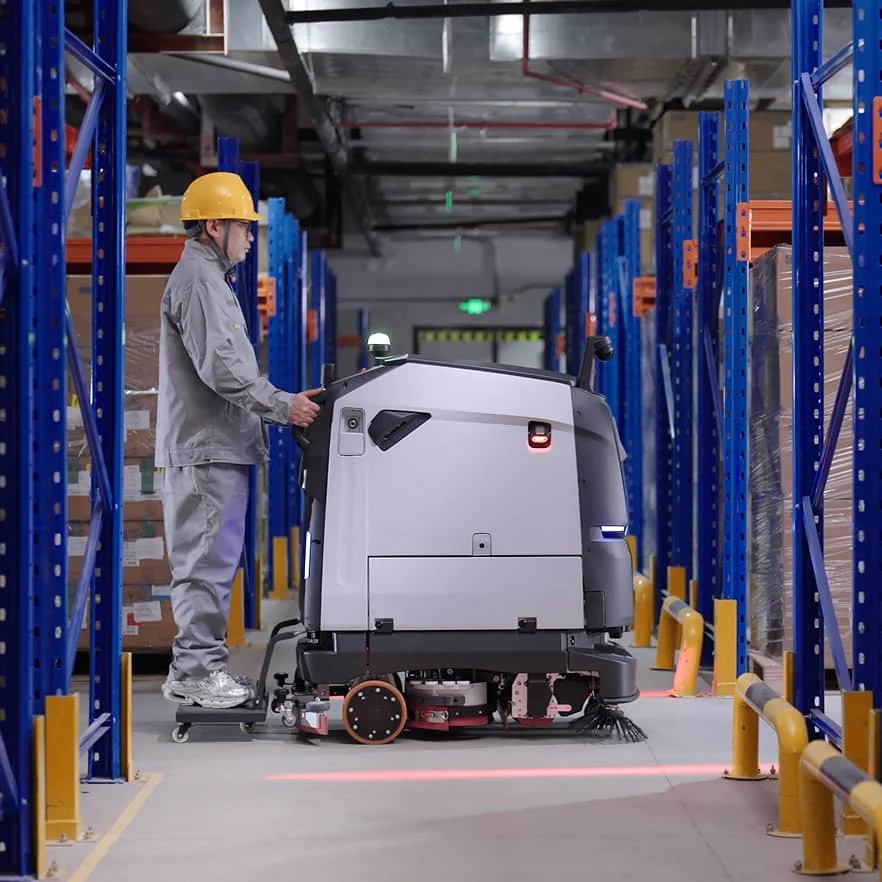
Robotics is now a practical facility management solution in Canada. Autonomous cleaning robots, delivery robots and multi-floor transport robots take on repetitive, scheduled work such as floor care, item runs and back-of-house logistics, so facility teams can put their people on inspections, tenant requests and the jobs that need judgement. The facility managers who get the most from robots treat them as part of the service model, with a pilot, clear metrics and local support, not as a gadget.
This guide is for facility managers, property managers and integrated facility management (IFM) providers in Toronto, the Greater Toronto Area and across Canada who are deciding where robots fit, how to build the case and how to roll them out without disrupting the building.
Where do robots fit in facility management operations?
Robots do best on tasks that are frequent, predictable and measured by coverage or completion. In most commercial buildings that means four areas.
1. Floor care
Floor cleaning is the most common starting point because it is scheduled, repetitive and easy to measure. Different floors and spaces call for different machines:
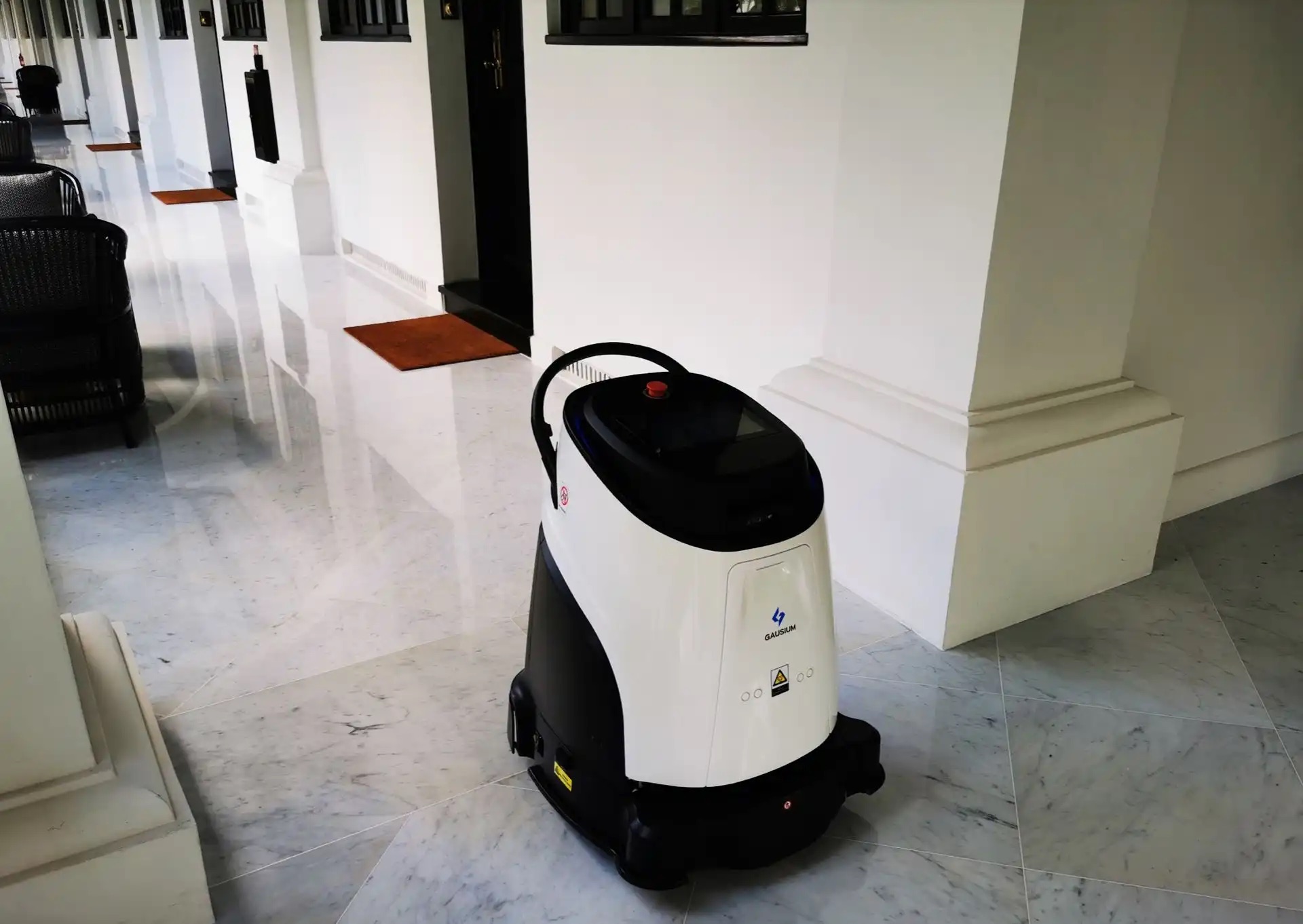
- Offices, lobbies and mixed floors: 4-in-1 robots such as the Gausium Phantas and the PUDU CC1 Pro sweep, scrub, vacuum and dust mop in one machine. The CC1 Pro also uses AI vision to find spills and stubborn stains and switches to vacuum-only on carpet.
- Carpeted corridors and hotels: dedicated vacuum robots such as the Gausium Vacuum 40 and the PUDU MT1 Vac.
- Large hard floors, warehouses and retail: scrubber-dryers such as the PUDU BG1 Series, the Gausium Scrubber 75 and the Gausium Marvel.
- Parking garages and semi-outdoor areas: robotic sweepers such as the PUDU MT1 and PUDU MT1 Max.
2. Item delivery inside the building
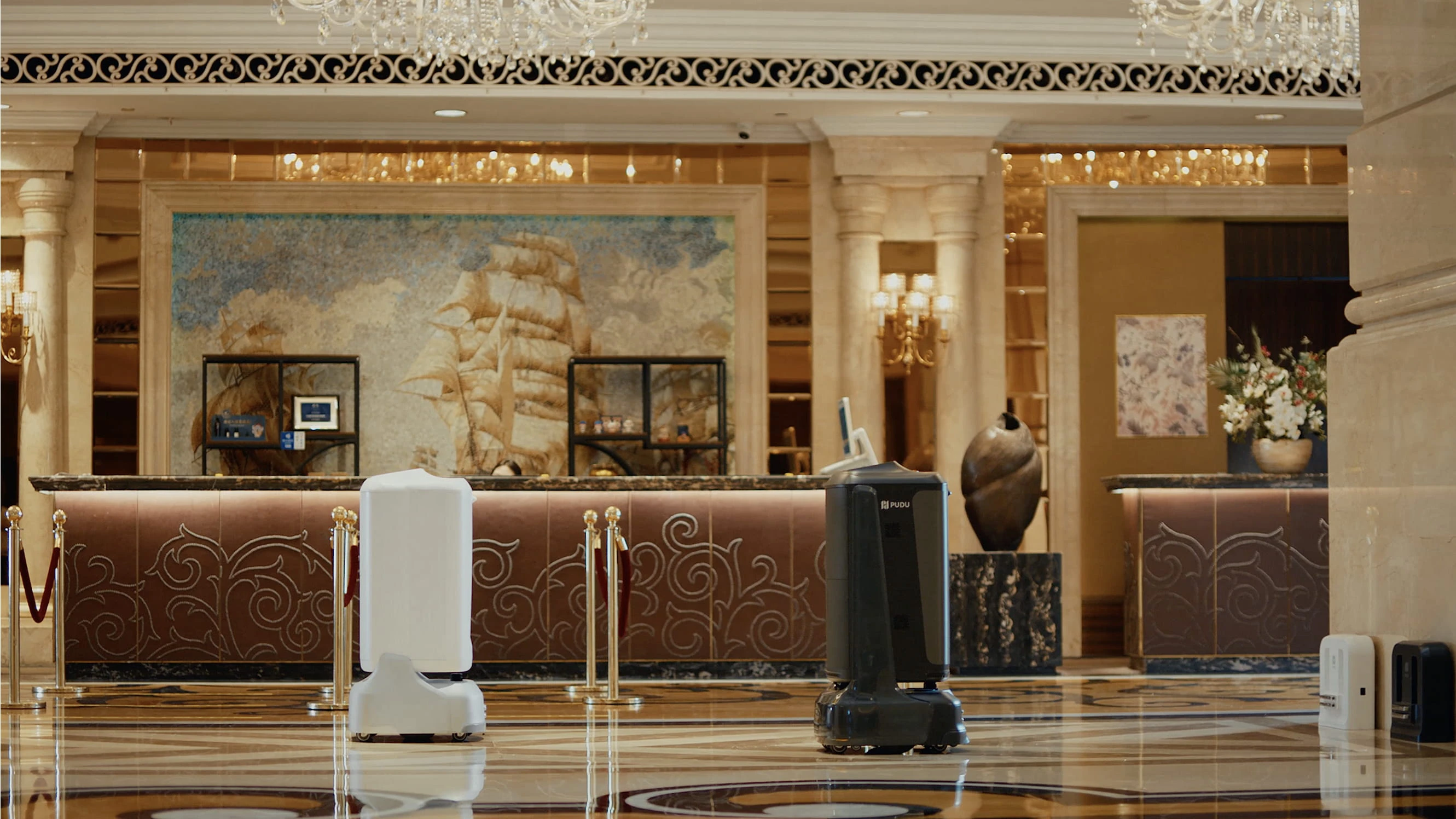
Mail, parcels, linens, amenities and supplies move constantly through hotels, hospitals and offices. Delivery robots such as the PUDU FlashBot Max carry items in secure compartments with password, phone number or NFC verification, so deliveries reach the right person without staff walking every run.
3. Multi-floor logistics
The biggest time sink in many buildings is the trip between floors. Robots that can call and ride elevators remove that step. PUDU's Cloud Elevator Control Solution, used by FlashBot, needs no elevator modifications and works with leading brands such as KONE and OTIS. See our elevator robots page for how this works.
4. Back-of-house and material handling
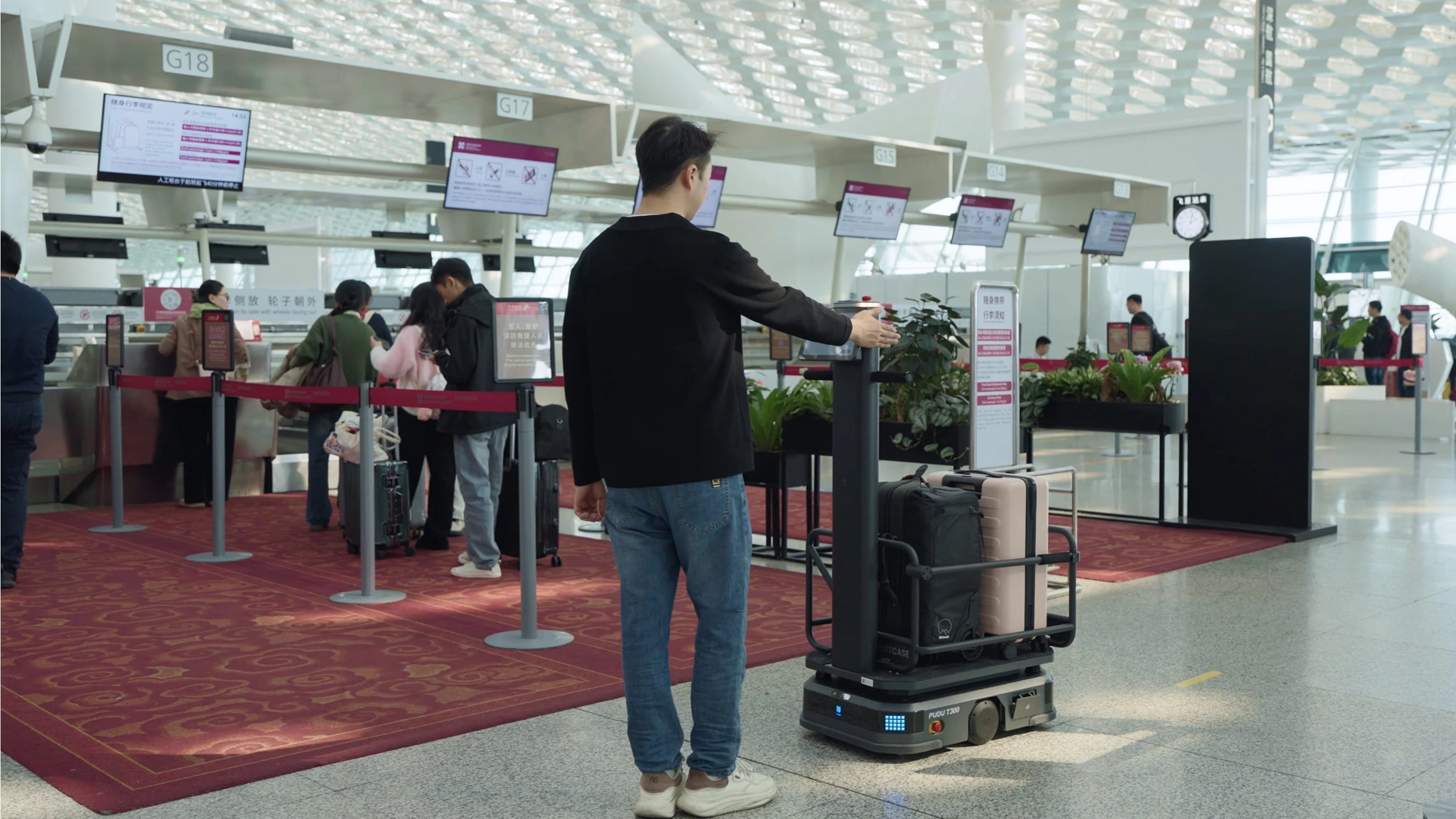
In industrial and large commercial sites, transport robots move heavier loads between stations. The PUDU T300 carries up to 300 kg, supports elevator access, gate and turnstile integration and remote calling, and its page lists compliance with ISO 3691-4.
How do you build the business case for facility robots?
We do not publish payback figures, because the answer depends on your building, labour model and service levels. The business case is usually built on four qualitative drivers, and a pilot gives you the numbers for your own site.
- Labour redeployment, not just reduction. Robots take the repetitive square footage so cleaners and porters can focus on washrooms, touch points, spills and tenant requests that a robot cannot handle.
- Consistency. A robot runs the same route, at the same settings, every shift. That makes quality easier to hold steady across sites and contractors.
- Reporting and data. Most robots report their work. Pudu robots are managed through the PUDU Link app, and the PUDU SH1 sends post-cleaning reports with cleaning duration, water usage and area cleaned. Those reports give you evidence for audits and client reviews instead of sign-off sheets.
- Off-hours coverage. Robots with docking stations can work overnight or between shifts. The BG1 Series all-in-one station automates refilling, drainage and charging, and the MT1 Max auto-empty station empties its waste bin and returns to work without manual intervention.
How should you run a robot pilot?
A good pilot answers one question: does this robot meet the service level on this floor, with this team, at this time of day? Keep it focused.
- Pick one area and one task. A lobby and main corridor, a parking level or one hotel floor is enough.
- Write down today's baseline. Hours spent, frequency, complaints and inspection scores for that area.
- Match the robot to the floor. Hard floor, carpet, mixed, path width and obstacles all matter. Our robotic consulting team can walk the site with you.
- Map and schedule. The robot is mapped on site and routes are set to avoid peak traffic.
- Measure the same things. Compare robot reports and inspection scores against the baseline.
- Decide with the frontline team. Their feedback on what the robot handles well, and what it does not, shapes the rollout.
What building integration do robots need?
Integration is where many robot projects stall, so plan it before the robot arrives.
| Item | What to check |
|---|---|
| Wi-Fi or 4G | Coverage along the robot's routes for app control and reporting. Some robots, such as the PUDU HolaBot pager, list 4G / Wi-Fi communication. |
| Elevators | Make and model, and whether cloud or hardware elevator control fits your building. |
| Gates and turnstiles | Access-controlled doors on the route. FlashBot and T300 support turnstile and gate integration. |
| Docking and water | Power and, for scrubbers, water supply and drainage near the station. |
| Paths and clearance | Narrowest aisle on the route compared with the robot's path clearance on its spec sheet. |
How do you bring cleaning staff on board?
Frontline staff decide whether a robot succeeds. Introduce the robot as a tool that takes the most tiring, repetitive work, then give it an owner on each shift. Train that person to start routes, empty and refill, and handle simple alerts. Share the robot's reports with the team so they can see the floor coverage it adds. When people own the robot, it gets used.
What support should a facility robot come with?
A robot that is down for a week costs more than it saves. Before you sign, ask who services it, how fast and where the parts come from. SPARC backs every robot it sells with 24-hour online assistance, a guaranteed 48-hour on-site response, an in-house engineering team and genuine parts from an extensive spare-parts inventory. Our locally based teams cover the Greater Toronto Area, Ottawa, Montreal, Calgary, Edmonton, Saskatoon, Regina, British Columbia and St. John's.
Working with SPARC on facility management robotics
SPARC Technologies is the official distributor for Gausium and Pudu in Canada, with more than 1,000 deployments across 35+ industries. In 2025 SPARC was named Top Autonomous Robotics Solution in Canada. We help facility managers and IFM providers choose the right mix of cleaning, delivery and transport robots, then deploy, integrate and support them. To see what fits your portfolio, contact our team or explore our cleaning robots and delivery robots.